Aluminum Electrical Wiring Repair Work and Pigtailing in Orange County
Homes across Orange County built in the late 1960s and early 1970s often conceal a quiet electrical risk inside their walls: aluminum branch‑circuit wiring. If you have warm or flickering switches, scorched outlets, or a breaker that journeys for no clear factor, aluminum might be the underlying cause. I have opened plenty of initial receptacles in Costa Mesa, Huntington Beach, Anaheim Hills, and Mission Viejo only to discover aluminum conductors under gadget screws that were loose enough to twist with 2 fingers. Most of those homes ran fine for years, right until a connection got hot.
The great news is that aluminum branch‑circuit circuitry can be repaired to a safe, long lasting standard. Complete rewiring is one path. Pigtailing at every gadget with the right ports is another, quicker way to mitigate threat when done by a licensed electrician Orange County house owners can rely on. The secret is understanding what stops working, why it fails, and how to correct it with techniques that pass examination and withstand everyday use.
Why aluminum wound up in our walls, and why it triggers trouble
During the mid to late 1960s, copper costs leapt, and home builders turned to strong aluminum conductors for 15 and 20 amp branch circuits. Aluminum does a great task bring existing, but it acts in a different way than copper at terminations. It broadens more when heated up, it oxidizes readily, and it is softer. Early devices were not created to account for those properties.
In a home with aluminum branch circuits, the majority of failures do not take place mid‑run inside the cable. The issues start at terminations. Heat cycles from everyday loads loosen screw terminals. Oxide constructs on the conductor, creating resistance. Resistance makes heat, and heat speeds up the cycle. Eventually you get lightening or browning of the gadget yoke, an odor like warm plastic, or a plug that feels too hot to touch.
In dry Southern California conditions, the threat appears less as rust from humidity and more as thermal biking. Homes today put bigger, steadier loads on outlets than a 1969 contractor anticipated. Area heating systems, hair clothes dryers, video gaming systems, and high‑draw cooking area devices keep connections warm for longer stretches. The aluminum creep that a device tolerated in 1980 will appear as a measurable loose screw in 2026.
How to inform if your home has aluminum branch wiring
You will only understand for sure by opening a gadget and taking a look at the conductor. The jacketed cable television in a 60s or 70s wall might be marked AL, ALUMINUM, ACM, or similar. The conductor itself looks silvery where copper looks reddish. If you are not trained, do not loosen up or disrupt a conductor simply to check out a marking. An electrical assessment Orange County homeowners schedule with a local electrical expert normally includes a safe check behind one or two outlets or switches.
Other clues help narrow your suspicion. Tract homes developed roughly between 1965 and 1973 are most likely prospects. If you see a mix of copper and aluminum, a previous owner might have partly fixed the issue, or a renovation brought copper to a renovated kitchen area or bath while bed rooms and living locations remained aluminum.
The core failure modes at connections
A brief variation from the field: aluminum creep, oxide, mismatched materials, and bad devices. Aluminum cold flows a little under pressure with time, so a tight screw becomes a loose screw. Aluminum forms an oxide layer that is not conductive, so even a clean‑looking conductor can develop a high‑resistance user interface. When you twist copper and aluminum together with the incorrect adapter, galvanic deterioration accelerates the breakdown. Include push‑in backstabs on older devices and you have a recipe for periodic faults.
The signs differ. I have actually discovered an outlet that looked flawless at first look, however a clamp meter on the branch revealed a warm neutral under modest load. The device screws were not torqued to spec, and there was no antioxidant compound where needed by the adapter listing. Changing the device did nothing. Setting up a noted aluminum‑to‑copper adapter and a short copper pigtail removed the heat rise within minutes.
What repair options really work
There are three reliable courses when you confirm aluminum branch‑circuit wiring.
Full rewiring utilizes brand-new copper NM‑B cable television from the panel to every outlet, switch, and light. This is the gold requirement for long‑term dependability. It also implies drywall cuts, patching, and in some cases attic or crawlspace work that is not useful throughout the school week or in a completely provided home. For a single‑story ranch in Orange, you might handle it in a couple of days with a collaborated team. For a two‑story slab house in Irvine, anticipate more invasive fishing, more time, and more cost.
Device replacement with CO/ALR ranked receptacles and switches is a restricted procedure. CO/ALR devices are crafted for aluminum conductors and withstand creep better than standard devices. However, they do not resolve splices behind the device box or lighting outlets in the ceiling. They also do not remove aluminum to aluminum entwines at wire nuts that may currently be compromised. I rarely suggest this as a sole repair in a whole house unless combined with pigtailing at every splice.
Pigtailing utilizes a brief copper conductor at each gadget or splice, joined to the existing aluminum with a connector listed for aluminum to copper. This allows you to land the copper pigtail on a standard, high quality device, while the aluminum stays in the wirenut or terminal rated for it. When made with the correct port and torque, pigtailing is a recognized repair work approach that reduces heat at terminations and permits regular service upgrades later on. For numerous Orange County homes, this is the practical way to reduce risk without opening walls.
Pigtailing properly in Orange County
The adapter matters. Not every wirenut is noted for aluminum to copper. The brands and specific item types change as manufacturers upgrade listings, so the safe guideline is to utilize connectors particularly marked and listed for AL to CU splicing. Crimp‑style cold weld adapters installed with an adjusted tool have a long performance history when installed by a licensed electrical contractor. Setscrew terminal blocks designed for AL to CU, when installed per guidelines with antioxidant and torque spec, also carry out well and are serviceable. General function twist‑on connectors that are not listed for AL to CU are not appropriate for this application.

You likewise require antioxidant substance where the port listing needs it, appropriate strip lengths, and a torque screwdriver. That last one is not flexible. An additional quarter turn on a setscrew might look snug, however you can cut hairs or deform an aluminum conductor and create a brand-new failure point.
Local inspectors in the county and cities like Santa Ana, Garden Grove, and Lake Forest look for listing and labeling, not trademark name. California code adoption follows the National Electrical Code with state amendments, and the style corresponds. Usage listed products, follow producer guidelines, provide box fill and volume, preserve devices grounding connection, and do not bury splices beyond an accessible junction box.
A walk‑through of how a professional pigtail retrofit proceeds
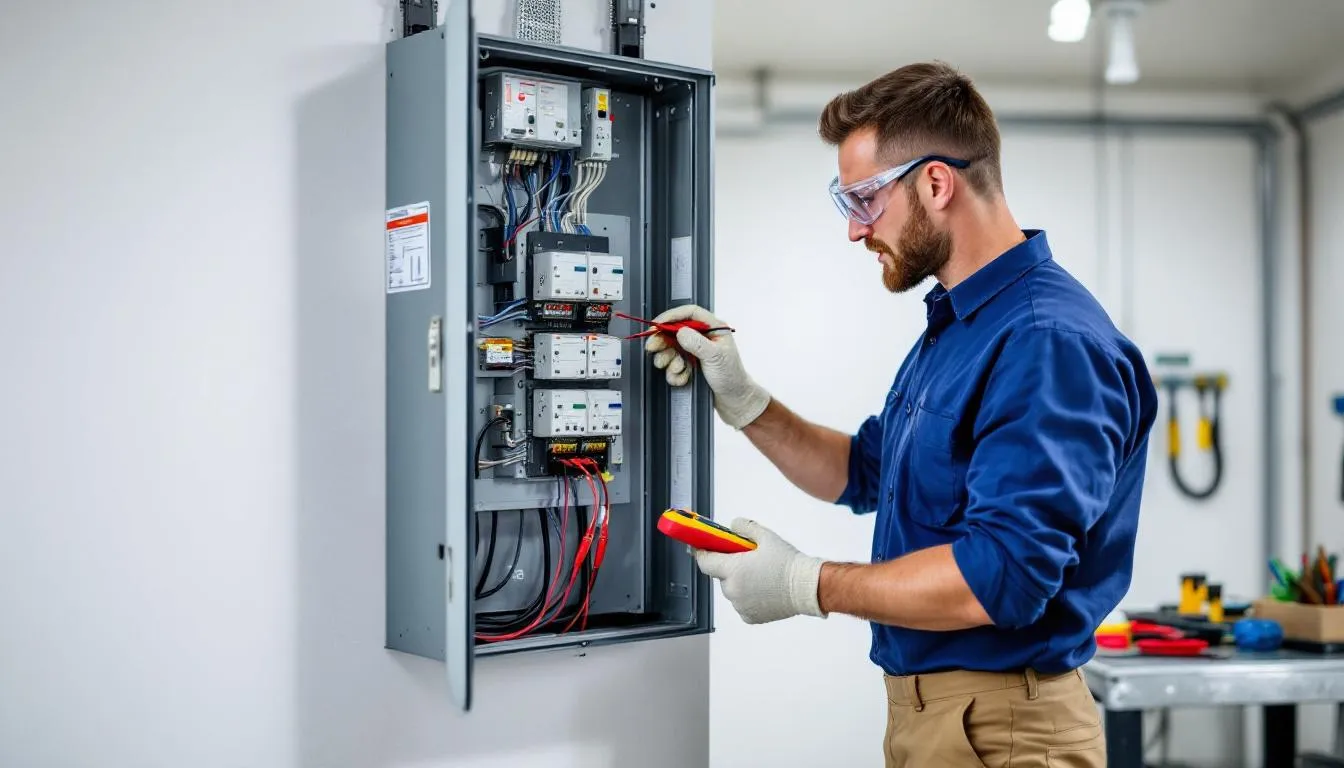
- De stimulate and verify. At the panel, label the circuits included, change the breaker off, and validate at the device with a two‑pole tester and a plug‑in analyzer. Lockout where needed if numerous trades are present.
- Open and assess. Eliminate the gadget, examine the conductors for nicks, oxidation, heat discoloration, and length. Confirm box volume for included pigtails, and prepare an upgrade to a larger box if needed.
- Prepare the conductors. Tidy the aluminum, use antioxidant if the adapter needs it, strip to the maker's specification, and pre‑form a gentle curve to decrease tension. Cut and strip a copper pigtail of the proper gauge and color, marked with a ferrule if needed by the adapter style.
- Install the adapter. Make the aluminum to copper splice with a noted adapter, install to the specified torque, and dress the wires to prevent mechanical stress. If the device is a receptacle, land copper on the gadget screws, not on backstabs. For multiwire branch circuits, tie manage the breaker and keep neutrals separated as required.
- Test and file. Use an infrared thermometer or thermal camera under simulated load to confirm no abnormal heat increase. Label the panel schedule, capture photos of representative splices, and offer a quick report for the property owner and insurance company if requested.
That is the minimum standard. On jobs where we discover questionable ceiling box splices feeding several spaces, we add maintenance‑free, listed junction enclosures or replace package completely to guarantee appropriate cubic inches for the added pigtails and grounds.
Permit, code, and assessment considerations
Orange County jurisdictions typically need an electrical authorization for aluminum circuitry removal, because you are altering branch‑circuit wiring and device terminations throughout the home. A local electrician Orange County inspectors know by reputation will browse this efficiently. Expect a preliminary inspection that confirms representative splices, gadget rankings, box fill, grounding, and labeling, followed by a last once the scope is complete. If you combine pigtailing with other work like an electrical panel upgrade Orange County permitting might roll it into a single task card, which saves a trip.
Home insurance providers often request documents of aluminum mitigation. Keep your invoice, permit, and a letter explaining the approach utilized. If you prepare a refinance or sale, having a licensed electrician Orange County CA validate the work avoids last‑minute chaos in escrow.
Costs and scheduling without the fluff
Every home has its own count of gadgets and splice points. As a ballpark, a common three‑bedroom single‑story with 80 to 120 gadgets and splices might require 2 specialists for a day or more. Per device prices for listed AL to CU connections, consisting of brand-new receptacles or switches where needed, commonly lands in a variety that shows material type and gain access to. Residences with tight plaster boxes that need replacement include labor. If we discover overheated connections that damaged insulation, we build in time for conductor repair work or short extensions with brand-new junctions.
If you are already preparing panel replacement Orange County house owners frequently integrate that with aluminum mitigation. Modern breakers with AFCI and GFCI functions anticipate steady terminations. Cleaning up the branches before setting up combination arc fault breakers reduces nuisance journeys and exposes any concealed splices that do not fulfill code.
For scheduling, we can often offer an exact same day electrical expert Orange County citizens call for fast triage if there is active heating or a device that has failed. For whole home pigtailing, lead times vary a couple of days to a couple of weeks depending on permit queues and material accessibility. If you remain in the middle of a remodelling or are opening walls anyhow, that can shorten the process.
Kitchens, restrooms, and other special cases
High draw areas should have additional attention. Kitchen areas collect numerous little appliances across split receptacle circuits. If you have multiwire branch circuits with shared neutrals, the pigtailing needs to maintain the appropriate neutral course and handle ties at the breakers. Restrooms often have old two‑wire lighting boxes that somebody extended to add a vent fan, and those splices may be buried under a can light or cover. Throughout pigtailing, we expose and remedy those runs.
AFCI and GFCI protection https://rylanfskg831.vantagequill.com/posts/office-lighting-and-power-solutions-in-orange-county must align with present code. You do not require to rewire your house to bring a branch as much as modern-day defense if the jurisdiction permits breaker‑level options. In a lot of cases, setting up a double function breaker after the aluminum terminations are corrected provides added safety without incorrect trips. For older panels that will not accept modern-day breakers, we often recommend a targeted electrical panel upgrade Orange County inspectors have seen us carry out safely, rather than stacking questionable breakers onto worn out bus bars.
Does pigtailing limit future jobs like EV battery chargers or remodels
Pigtailing is a restorative step on existing 15 and 20 amp lighting and receptacle circuits. It does not alter your capability to include a devoted 240 volt circuit for an electrical vehicle battery charger. EV battery charger setup Orange County house owners order lives on a brand-new copper circuit sized to the charger, frequently 40 to 60 amps. A load estimation at the panel will inform us if the service and feeder can deal with the extra need. If not, we prepare service or panel capacity upgrades ahead of time.
For remodels, pigtailing gives you a more secure standard. When you open walls, that is your possibility to change the run with copper and eliminate the aluminum totally. A great Orange County electrical contractor will recommend when a selective rewire makes good sense, for instance throughout a cooking area gut where access is perfect.
Field snapshots from Orange County homes
A mid‑century in Tustin had persistent flicker on a circuit feeding the living room and a bedroom. A smart plug determined a 6 volt droop when a space heating system kicked on. We discovered aluminum under double-crossed outlets and a scorched neutral under a wirenut that was not rated for AL to CU. After a day of pigtailing with noted ports, replacing the outlets with commercial‑grade gadgets, and tightening up the shared neutral in the panel to spec, the voltage stayed constant under the very same test.
In Dana Point, near the coast, a house owner reported a faint fishy odor in the hallway. That odor can signify heated plastic, not fish. The hallway circuit was aluminum with a switch loop to a ceiling component. The conductor insulation at the fixture box had actually browned. We set up an enlarged fan‑rated box, remedied the switch loop, added copper pigtails with a listed connector, and replaced the light with an efficient LED. The smell vanished, and thermal imaging revealed a cool profile after an hour of operation.
In Fullerton, an investor bought a 1971 leasing and requested a budget-friendly electrical expert Orange County occupants could call if anything failed. We proposed pigtailing the whole home, plus a panel tune‑up, GFCI security in needed places, and a couple of lighting upgrades. That balance of safety and expense let the property pass examination ahead of a lease signing, and the upkeep calls slowed to practically zero.
Choosing the right partner for aluminum remediation
You want a specialist who has really done this, not somebody who tries to offer you a panel since it is much easier to quote. The difference in between safe and dangerous pigtailing lives in the information: appropriate connector, accurate torque, and careful box management. If you search for an electrician near me Orange County and begin calling, ask pointed concerns before you hire.
- Which connector systems do you utilize for AL to CU, and are they noted for the precise mix we have
- Do you utilize a calibrated torque tool and follow the maker's specs
- How will you manage box fill, grounds, and multiwire branch circuits
- Will you pull a permit and offer documents for my records and insurance
- What is your plan if you discover heat‑damaged insulation or a splice buried behind drywall
Look for clear answers. A residential electrician Orange County property owners count on ought to likewise be open to revealing a couple of completed splices before proceeding to the entire home.
Safety add‑ons that deserve it while you are there
If we are currently opening gadgets, we look at surge defense, grounding, and labeling. Whole‑home surge protection at the panel is economical compared to the electronic devices it safeguards. Confirm bonding at water and gas services. Change worn out two‑prong outlets with correctly grounded three‑prong receptacles, just where a ground exists, or set up GFCI security and labeling when a ground can not be offered on an existing two‑wire circuit per code allowances. If you wish to add recessed lighting Orange County design to refresh a living-room, or swap an unsteady fixture for a ceiling fan setup throughout the exact same check out, that is efficient. Just keep in mind that any included loads should be on circuits with remedied terminations.
Smart home circuitry and low voltage circuitry can ride along with aluminum removal as separate scopes. Low voltage is not subject to the same failure modes, but poorly installed cable television in the exact same box can crowd splices and develop heat. We keep them apart and secure.
When a fast call saves a crisis
If you see smoke, smell burning insulation, or find a gadget that is hot even with nothing plugged in, call an emergency electrician Orange County right away. A 24 hour electrical contractor Orange County can dispatch will at minimum de‑energize a hazardous circuit, cap it, and make your home safe till a full repair is arranged. For less immediate cases like a single flickering light, a very same day electrician Orange County can often identify and provide a short‑term repair up until permits are pulled for a complete pigtailing job.
Why full rewiring in some cases wins
There are homes where pigtailing is the incorrect answer. If a house has aluminum wiring plus a brittle original panel, undersized service, and layers of unpermitted add‑ons, the best move is often entire home rewiring Orange County inspectors can oversee start to end up. Two stories over a piece makes complex routing, but flats, basements, and accessible attics make it manageable without extreme drywall work. Panel replacement and new homeruns clear decades of questions and set you up for a generator setup, an electric vehicle charger, or a planned addition. A leading ranked electrician Orange County will provide you both quotes and describe the trade‑offs plainly.
A note on business spaces
Commercial aluminum branch circuits are less typical in our area, but not unusual in small offices converted from domestic stock. A commercial electrician Orange County brings the same ability to mitigation, with the included layer of renter schedules and service connection. Night or weekend work limits disturbance, and thorough documents secures the residential or commercial property manager.
Keeping things safe after the work
Once pigtailing or rewiring is complete, great practices keep your system healthy. Do not overload a single outlet with stacked cube taps. Teach kids not to tug cords from receptacles. If a gadget feels warm to the touch during typical usage, unplug and require electrical troubleshooting Orange County service. Consider a routine thermal scan throughout your annual a/c service to capture any establishing hot spots in panels or high‑load areas.
When you choose to refresh a space, loop in a local electrical contractor Orange County early. Outlet installation Orange County residents request during a remodel can be placed on new copper circuits, while existing aluminum circuits remain pigtail remedied and lightly loaded. Outdoor lighting Orange County homeowners love for patio areas and sidewalks must land on new, weather‑rated copper circuits with GFCI defense. If you are adding lighting setup inside, choose quality fixtures and keep chauffeurs accessible for service.
Final ideas from the field
Aluminum branch circuitry is not a factor to panic, however it is a reason to act. I have seen pigtailing transform a home from a patchwork of warm outlets and odd flickers into a strong, quiet system. I have likewise seen faster ways create brand-new problems within months. The difference is craftsmanship, adherence to listed approaches, and respect for the physics of aluminum.
If you want your home to be safe, quiet, and ready for the next years of living, find the very best electrical contractor Orange County for your requirements, not simply the most affordable bid. Ask concerns, expect authorizations, and demand techniques that an inspector and your insurance provider will recognize. Done effectively, aluminum wiring repair work purchases assurance at a fair expense, and it sets the stage for anything else you want, from a panel tune‑up to a new electrical lorry charger.