Industrial Lighting Upgrades Orange County: Save Energy, Shine Bright
Orange County organizations live in a brilliant, competitive landscape. From hospitality hubs in Anaheim to logistics yards near the 91, every space narrates with light. The problem is, too many centers still rely on worn out fluorescent strips, stressed out parking lot heads, and hot metal halide cans that guzzle power and undercut safety. Upgrading to high effectiveness lighting is not a vanity job. It is among the fastest repayment moves most structures can make, and in our market, it can likewise be the difference between passing a Title 24 examination and stopping working a lease requirement.
I have actually spent years strolling Orange County ceilings and roofs, from little offices in Santa Ana to stretching warehouses in Irvine. The successful tasks have something in typical: they treat lighting as a system. When you combine the ideal fixture, the ideal optic, the ideal control, and the right electrical expert, the meter decreases and the space looks better. That is the sweet spot.
Why upgrades pencil out in Orange County
Electricity in Southern California is not low-cost. Business rates in the SCE territory typically land in between the high teenagers and upper 20 cents per kWh depending upon schedule, demand charges, and time of usage. If your building runs lights 60 hours a week, small inadequacies stack into big expenditures. An older 4-lamp T12 troffer may draw 160 watts at the wall. An effectively defined LED troffer replacement can provide equal or much better light at 30 to 40 watts. In a bank of 100 fixtures, that is roughly 12 to 13 kW shaved during occupied hours.
Translate that into a workplace running 3,000 hours each year: 12 kW increased by 3,000 hours is 36,000 kWh avoided. At 22 cents per kWh, the lighting line product drops by around 8,000 dollars a year before controls even enter the conversation. Warehouses, gyms, and grocery stores often run more hours and see larger gains. Upkeep is a 2nd savings stream. Fluorescents and metal halide lights fail often, require lifts, and carry labor expenses. LEDs with L70 life times in the 50,000 to 100,000 hour variety can go a decade or more in typical schedules.
Every home type advantages differently. A retail floor needs punch and color making that assists merchandise. An office rewards harmony and low glare that reduces eye stress. Industrial aisles and filling docks should prioritize vertical illumination and security. The point is to tailor, not copy and paste.
Title 24, building code, and useful compliance
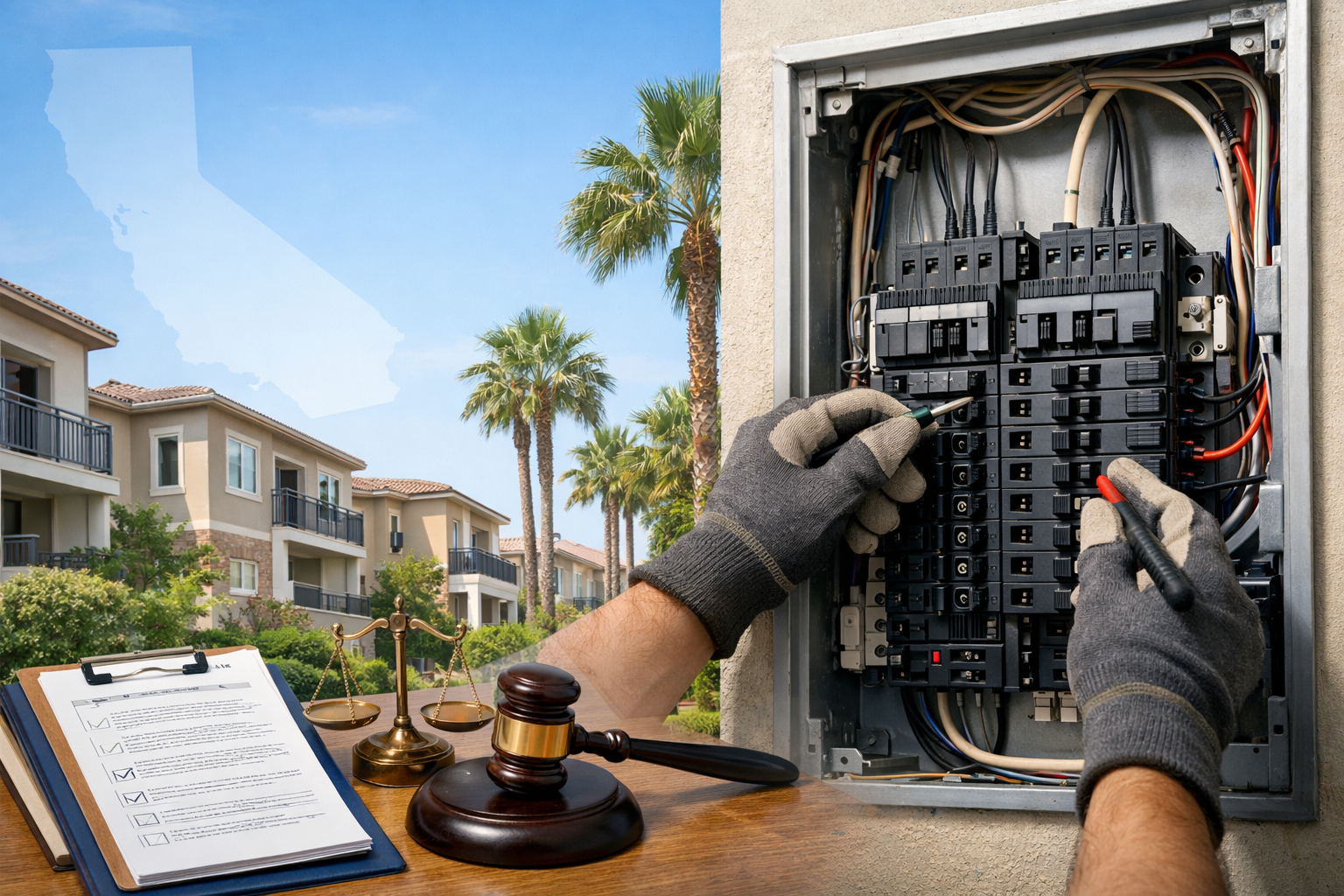
California's Title 24 Part 6 sets performance rules for lighting power density, controls, and acceptance screening. The language can feel dense, however the spirit is basic: use less power to supply the light you in fact need, and include automatic controls. For renter improvements or ground up work, code requires features like tenancy picking up, partial off in corridors, and daytime harvesting in daylit zones. Existing buildings see more versatility under modifications, yet as soon as a task hits certain scope thresholds, code starts. This is where an Orange County electrical contractor who knows Title 24 and the local inspectors can keep you on schedule.
Practical pointers from the field:
- Put eyes on your glazing. If you have large windows along a boundary, daytime sensing units coupled with dimmable chauffeurs can trim energy 10 to 30 percent in those zones with no complaints from occupants.
- Use vacancy sensing in private offices. Individuals do not constantly like lights popping on. Manual on with automatic off satisfies code and prevents the ghost-on perception.
- For warehouses, bi-level high bay sensing units that drop to 10 to 20 percent when aisles are empty are dependable, code-friendly, and repay quickly. The secret appertains sensing unit aiming and time delay settings tested throughout commissioning.
- Acceptance screening is not a rule. Keep your controls sequence composed and easy. A proficient business electrician in Orange County will confirm settings and get ready for the tester well before the last day on site.
Retrofit, change, or redesign
There is no single right path. We assess structure, ceilings, existing controls, visual requirements, and budget. Anticipate these choices to appear during scoping:
- One-to-one fixture swap. Old troffer out, LED troffer in. Fast, tidy, meets most office requirements. Select a glare-controlled lens or center basket style with a merged glare ranking low enough for screen work.
- LED sets into existing real estates. If the real estates are good and the ceiling grid is picky, retrofit packages can cut labor and waste. I just define packages when the thermal path is solid and the maker backs it with a real warranty.
- Lamp-only relamps. Switching fluorescent tubes for LED TLEDs is tempting. It is also the most uneven in results. If the sockets are brittle, ballasts dated, or the optics wrong, you end up going after problems. I utilize this strategy in back-of-house areas or really tight spending plans, and just with DLC-listed items where electrical wiring approach and labeling are clear.
- Full redesign. In retail, dining establishments, laboratories, and schools, huge gains come from starting over. We get rid of mess, add layers, solve glare, and re-aim the area. The energy cost savings remain, however the motorist is visual quality and brand.
There are edge cases. For a mid-rise medical structure with asbestos in the acoustic tiles, dropping in surface-mounted LED troffers avoids disturbing the plenum, reduces containment expenses, and still produces an even ceiling. For historical lobbies in older homes near Old Towne Orange, we typically conceal efficient sources inside existing decorative real estates to keep the character while improving dependability. Those choices come from walking the site, not guessing.
Controls that conserve money without making enemies
Controls deliver the 2nd half of the savings, but they can backfire if they combat how individuals use the space. I have repaired more than a few projects where sensing units turned off lights during discussions or daytime dimming left meeting room too dim after 4 p.m. The treatment is area, calibration, and restraint. Occupancy sensors belong where they see movement, not where they gaze at door frames. Set timeouts to match activity. Objective high bay sensing units to the right aisle. Disable overly aggressive daylight trim if users complain. Keep the wall station labels honest.
Networked lighting controls are https://jsbin.com/?html,output rising quick due to the fact that they aid with code approval, measurement, and tuning. They also unlock to scheduling around demand reaction events. When a summertime heat wave pushes a Flex Alert, a facility with networked components can drop non-critical zones by 10 to 20 percent for a few hours with hardly a ripple noticeable on the floor. Over a year, that trims need charges and supports grid stability.
Choosing color, quality, and optics
Color temperature level is not a politics argument, it is comfort. Workplaces and schools in Orange County usually land at 3500 K or 4000 K. Retail will reach for 3000 K to warm product or 3500 K for a neutral look. Industrial spaces like 4000 K for clearness. The right response follows the architecture and the tasks. Color rendering at CRI 80 covers most utilizes. For store retail, galleries, and healthcare, look for 90 CRI or items with specialized R9 values if skin tones or produce screens matter. Remember that greater CRI sometimes suggests somewhat lower effectiveness, so the energy design ought to account for it.
Glare control separates professional designs from lighting that fatigues staff. A luminescent center basket or parabolic lens with great diffusion keeps luminance comfy. For open workplaces with low partitions, check the UGR or at least see a sample set up in a space like yours. For high bays, a clear optic that throws light down the aisles without blinding forklift operators is important. Outdoors, utilize luminaires with proper BUG ratings and protecting. It cuts light trespass, reduces area grievances, and makes security video cameras happier.
Where the greatest gains hide
Parking lots, garages, and lawn lighting typically repay initially. A 400 watt metal halide area light that hums to life each sunset is most likely drawing closer to 455 watts at the ballast. A contemporary LED location light with the best distribution can deliver better harmony at 120 to 200 watts. With dusk to dawn control and huge scheduling to cut run time, the decrease appears quick. Garages benefit from bi-level motion control to avoid the eerie all-on look at 3 a.m.
Warehouse aisles with legacy T8 or T5HO components are another sweet area. A typical eight-lamp T5HO high bay might draw 432 watts. A LED high bay producing equivalent vertical footcandles can run 180 to 240 watts, and with integral sensors it will idle low when an aisle sits idle. We typically go for 25 to 35 footcandles horizontal in basic storage aisles and more near pick faces, but the specific targets follow safety policies and item labeling needs.
Restaurants and hospitality properties sit at the crossway of art work, food, and state of mind. Replacing halogen or early LED downlights with high performance, warm-dimming or tunable white fixtures cleans up both heat load and maintenance. Service passages and cooking areas bring their own standards, from NSF rankings to wipe-down requirements. A licensed electrician Orange County groups trust will know which components make it through steam, grease, and nighttime cleaning.
Rebates, rewards, and what actually clears
Utility incentives in Southern California modification frequently. The old authoritative line items have actually mostly given way to midstream and custom-made programs that pay through suppliers or on measured cost savings. What has held steady is that DesignLights Consortium listed fixtures generally certify, and networked controls paired with LEDs normally draw greater rewards per kWh conserved. Before you purchase, validate that your supplier can process the midstream refund at point of sale or that your job can receive a custom path.
Timelines matter. I have seen clients miss out on a funding window by a week because the incorrect SKU shipped. Deal with a commercial electrician Orange County vendors know by name. They collaborate the expense of products with rebate documentation, verification photos, and cut sheets. The best projects keep a binder or shared folder with all DLC listings, fixture labels, and commissioning screenshots all set for any inspector or program reviewer.
A narrative from the field
A circulation customer near the 55 had a 180,000 square foot warehouse with 360 T5HO high bays. The summer season air conditioning in the attached workplace was fine, but the floor ran warm and dim. Maintenance altered lights continuously, and sensor retrofits from a past contractor had never been enabled.
We mapped footcandles, noted item types, and determined hours by zone. The solution was a one-to-one swap with 200 watt LED high bays, each with an aisle sensing unit preset to 20 percent low. We adjusted a few optics at the dock door zones for vertical light on labels. The controls platform was local, not cloud, to please their IT team. Post upgrade, typical light levels went from 18 to 32 footcandles on the flooring, with 40 at the pick deals with. Yearly energy savings cleared 540,000 kWh. With a combined rate around 20 cents and a moderate midstream reward, simple payback landed near 2 years. The upkeep supervisor called six months later to state they had not rented a lift when given that turnover.
Safety, scheduling, and remaining open throughout work
Commercial work hardly ever stops the business. We schedule lighting replacements around shift changes, dark hours, or zone by zone closures. For retail, night deal with dust control keeps the sales flooring clear during the day. Warehouse aisles can be sequenced 2 or 3 at a time so operations continue. A competent Orange County electrician will stage lifts and materials in such a way that keeps egress clear, seismic rules respected, and sound to a minimum.
Safety is not a line item, it is culture. Lifts should be checked. Lockout treatments on circuits keep teams from surprises. Temporary lighting above active work areas avoids trip dangers. In older structures, we anticipate fragile electrical wiring or overstuffed J-boxes and come prepared. If the project exposes panel restrictions, an electrical panel upgrade Orange County inspectors will validate might be the best parallel action. When an existing panel reveals corrosion, mismatched breakers, or capability issues, panel replacement Orange County proprietors authorize can be folded into the lighting scope to avoid repeat disruptions.
What a quality audit includes
A thorough assessment before you buy anything establishes a clean set up and predictable cost savings. When I walk a website, I cover the following basics:
- Document existing fixture counts, types, wattages at the wall, and installing heights, then verify a sample with a power meter rather than trusting labels.
- Measure light levels at job height in representative zones, consisting of vertical surface areas where reading labels or deals with matters.
- Identify control zones, daytime opportunities, after-hours schedules, and problem locations such as glare on screens or dark corners in lots.
- Review electrical capacity, switching, and circuiting to discover disputes early and verify the requirement for any electrical troubleshooting Orange County permit reviewers might ask about.
- Align on color temperature, CRI, and visual goals with stakeholders, then protect a mockup for signoff.
Mockups are non-negotiable in client-facing areas. Seeing one or two components reside in your ceiling for a week beats any brochure. I have actually never been sorry for a mockup. I have actually often regretted avoiding one.

Budgets, bids, and choosing the best partner
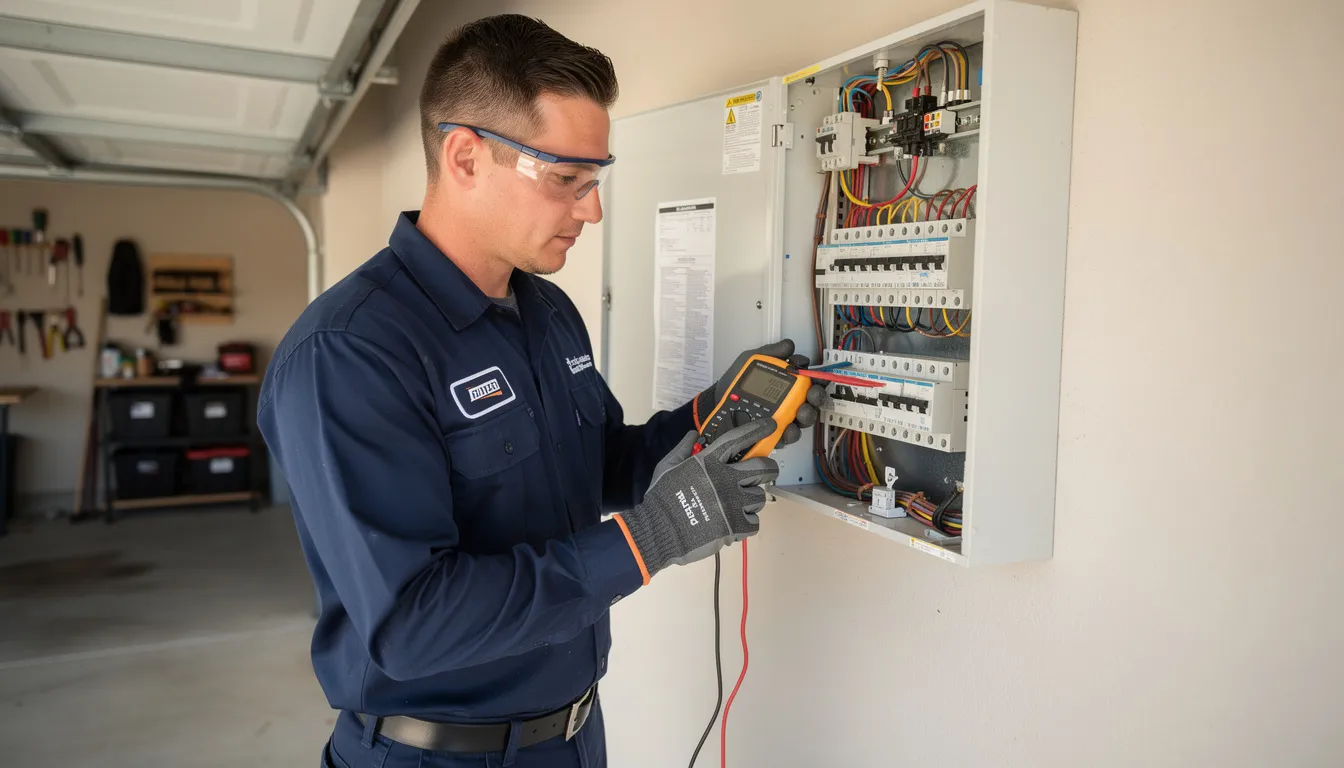
Lowest material rate rarely wins long term. Take a look at total installed expense, utility rewards, commissioning, and guarantee assistance. A sincere bid describes who pulls the license, who manages Title 24 approval testing, and how closeout looks. Ask how emergency situation circuits and egress lighting will be dealt with. Validate service responsiveness in case of call-backs. When you search for an electrician near me Orange County and see a long list, filter for companies that can reveal comparable jobs and provide referrals, not just luxury icons.
There is a place for a residential electrician Orange County homeowners trust, however commercial lighting brings different code and control intricacy. Aim for a commercial electrician Orange County inspectors understand by name. If your center operates continuously, a 24 hr electrician Orange County dispatch can coordinate after-hours service. When a storm knocks out a lot light and a tenant calls security, an emergency electrician Orange County property managers can reach directly conserves headaches.
Affordable electrical expert Orange County is a fair goal, but balance that with seasoned management. The very best electrical contractor Orange County teams do not simply run pipe and pull wire. They help you capture incentives, avoid change orders, and deliver a clean handoff. A leading ranked electrical expert Orange County portfolio generally consists of lighting installation Orange County case studies, not only EV charger installation Orange County or generator setup Orange County work, though those often sit next to lighting upgrades in a comprehensive modernization plan.
Special cases: healthcare, laboratories, schools
Healthcare areas carry stringent requirements around flicker, infection control, and cleansing. LEDs with low percent flicker and certified chauffeurs reduce client pain, specifically in diagnostic locations. Components should seal to the ceiling or bring suitable IP scores. Coordination with facilities to time shutoffs and isolate dust becomes part of the plan.
Labs, tech workplaces, and makerspaces in Irvine and Costa Mesa often need both high vertical light and task-level control. Layered lighting with localized dimming helps. Low voltage wiring Orange County integrators can tie controls into audiovisual and room scheduling systems, but simplicity wins when users seldom touch the scene buttons after week two. Smart home circuitry Orange County practices occasionally bleed into little industrial suites, though business grade controls usually provide better durability and Title 24 compliance tools.
Schools and schools gain from uniformity and long lasting real estates. Recessed lighting Orange County class frequently convert cleanly to LED panels with low glare diffusers. Outdoor lighting Orange County fields and quads require careful intending and spill control to please neighbors and dark sky sensibilities.
Outdoor lighting, security, and neighbors
Parking and perimeter lighting must provide security without lighting the sky. Pick fixtures with appropriate backlight and uplight limits, aim them with a light meter during the night, and collaborate with camera installers so glare does not blind lenses. Tenancy trimming in low-traffic hours keeps the lot welcoming while saving energy. Photocells and huge time clocks eliminate manual adjustments around daytime conserving shifts.
In seaside zones, salt air and fog punish cheap housings. Define coastal grade surfaces. For HOA-adjacent residential or commercial properties, communicating planned intending and shielding early can prevent complaints. Where trespass is a threat, a fast field mockup at sunset with a temporary mount helps everyone see the result and sign off.
Bringing tradition systems along
If your building still runs fluorescents or metal halide and you are not prepared for a complete upgrade, staged work can still improve security and costs. Start with outside and typical areas where paybacks are fastest. Replace a bank of failed troffers in a pilot area to construct comfort with the look and controls. The best regional electrical contractor Orange County entrepreneur depend on will keep wiring labeled and panels updated so the next phase snaps in. Every phase must consist of an electrical evaluation Orange County code authorities require if circuits are altered, and a neat as-built set speeds future work.
EV infrastructure and lighting often share timelines. If you are including an electric automobile battery charger Orange County employees can utilize, coordinate trenching and load calculations so you do not cut asphalt twice. Light the EV parking bays well, with uniform distribution and low glare. The exact same opts for signage and wayfinding at night.
What owners and managers notice after upgrades
A couple of weeks after turnover, I sign in. The first feedback is almost always about the appearance. Workplaces feel calmer because glare is down. Storage facilities find reading labels simpler. Parking lots feel safer. Bills drop, though the first utility statement may lag. Upkeep crews stop hoarding lamps. The CFO asks when the next building is getting the same treatment.
There are occasional tweaks. A meeting room might require the daylight setpoint nudged up. A passage timeout might unwind from 10 to 15 minutes. A retail vignette may change from 4000 K to 3500 K for warmth. Quality assurances platforms make those modifications painless, either at the gadget or from a control panel. When problems do surface area, an exact same day electrician Orange County dispatch can be the distinction between a quick repair and a lingering nuisance.
How to start without stalling
If your structure is all set for a lighting refresh, keep the first move basic and specific.
- Ask for a concentrated walkthrough from a certified Orange County electrical contractor who can deliver both design assistance and setup, then request a quick memo with counts, wattage comparisons, and an estimated savings range that uses your real operating hours.
- Select one representative location for a live mockup with 2 or three component candidates, then gather feedback from individuals who work there daily.
- Confirm code activates and rebate paths before you order, then lock the bill of products so incentives stay valid and long lead items do not stall work.
- Schedule work in zones that match your operations, then plan a commissioning day where sensing units and schedules are tuned with the users present.
- Capture closeout documentation, DLC listings, and service warranties in a shared folder, then log a calendar tip for a 6 month and 12 month check.
Good projects feel foreseeable. The best team manages permitting, coordinates deliveries, communicates when a surprise pops up above the ceiling, and completes with a tidy punch list. If you require help quickly, a 24 hour electrical expert Orange County service can support a stopping working circuit or a row of dark parking lights while the broader upgrade plan takes shape.
The bigger picture
Light shapes how individuals feel and work. Effective, well-controlled lighting is among the couple of upgrades that saves cash, looks much better, and improves safety on the first day. It pairs naturally with other modernization relocations like an electrical panel upgrade, generator upkeep for critical systems, and even a phased whole home rewiring Orange County homeowners might need in mixed-use residential or commercial properties above retail. Yet even if lighting is the only modification you make this year, the outcomes stand on their own.
If you are gazing at buzzing lamps, yellowed lenses, or a parking lot that looks like a patchwork after years of area repairs, it is time. Generate a team that treats lighting as both an art and an energy system. With the ideal style, strong products, and a trustworthy local electrical contractor Orange County property managers can call when they require them, your building will save energy and shine bright for several years to come.